What Is the Ideal Pest Control Service for Homes in Hamilton?
If you are reviewing pest control Hamilton providers for your home, the best choice is usually not the company that simply promises the quickest extermination. The strongest home pest control service is the one that combines a thorough inspection, a well-defined treatment plan, and lasting prevention backed by an skilled licensed exterminator. For homeowners in Hamilton, Ontario, that matters because local housing stock, weather, and pest pressure all shape what kind of service actually performs.
A reliable residential service should treat the current infestation while also reducing the chance of recurring pests. That means looking beyond the surface issue and focusing on integrated pest management, sanitation, moisture control, and sealed entry points. In neighbourhoods with older houses, detached homes, semis, and century homes, the best provider is usually the one that understands local construction and can deliver a tailored solution for the property.
What makes a pest control service the best for Hamilton homes?
The best pest control Hamilton service is built around four main elements: licensed technicians, a thorough home inspection, practical integrated pest management, and solid local experience. These are the core essentials that separate a trustworthy residential service from a quick treatment visit.
Licensed technicians matter because homeowners want accurate identification of the pest, safe application methods, and safe handling of products. A qualified local technician should walk you through what they found, where the nesting sites or activity trails are, and how they will resolve the problem without relying only on strong chemicals.
A detailed inspection should include the interior and exterior of the home, with attention to attics, crawlspaces, utility areas, and any visible entry points. In Hamilton homes, especially in older houses, pest pressure often starts in hidden gaps, utility penetrations, worn seals, and basement areas. A company that only treats the symptom may miss the actual source of the infestation.
Integrated pest management is especially important for long-term protection. Instead of relying on repeated broad treatments, this approach combines extermination, monitoring, exclusion, and environmental changes. That can include exclusion work, bait stations, traps, and recommendations for moisture control or sanitation improvements. The goal is not just killing visible pests but creating damage prevention and reducing the conditions that attract them.
Finally, local experience matters because Hamilton homes are not all the same. A house in Kirkendall may have different pest entry issues than a newer detached home in another part of the city. In Durand or East Hamilton, century homes and older foundations often need more detailed exclusion work. A company with real Hamilton knowledge will understand how Lake Ontario weather, housing age, and seasonal pressure affect pest behavior.
Which pests are most common in Hamilton neighborhoods?
Many pests show up again and again in Hamilton homes. The main calls involve ants, rodents, cockroaches, and bed bugs, though homeowners also frequently require spider control and wasp control. The exact pest mix can shift by season, neighbourhood, and property type, but these are the main issues many residents face.
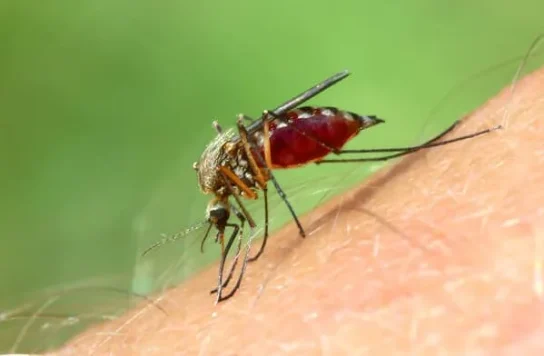
Ant control is common in spring and summer, especially when warmer temperatures and moisture lead to easy food and nesting conditions. Ants can use tiny cracks and wall voids, so homeowners often see them reappear if only the surface trail is treated. Effective treatment usually requires more than a quick spray; it should target the colony and stop future access.
Rodent control becomes especially necessary in fall and winter, when mice and rats look for shelter from the cold. Hamilton’s cold winters and spring thaw can force rodents from outdoors into garages, basements, and wall cavities. Signs of rodent activity include droppings, gnaw marks, scratching sounds, and shredded nesting material. If left untreated, rodents can spread contamination and cause structural damage.
Mosquito Man Hamilton62 First Rd W, Hamilton, ON L8J 3R2, Canada
+1 289-408-9573
https://maps.app.goo.gl/47W3PJ15EnQopiUf6
https://sites.google.com/view/pest-control-hamilton-ontario/
43.1795221, -79.7846013
Cockroach control is another issue homeowners should not overlook. Cockroaches can spread quickly in warm indoor spaces, especially where food, moisture, and clutter build up. They often hide in kitchens, utility rooms, and behind appliances. Once established, they can be hard to remove without a proper treatment plan and follow-through.
Bed bug treatment is distinct from many other pest problems because bed bugs travel with people and belongings rather than being tied only to building conditions. They can spread through furniture, clothing, luggage, and multi-unit connections. If you suspect bed bugs, a quick response is important because a small problem can become a large infestation very quickly.
Homeowners likewise encounter spider control and wasp control, particularly along outer walls, sheds, decks, and eaves. These pests are frequently seasonal, but they can still become a concern or security issue when nesting sites are close to entry areas.
How do Hamilton’s climate and housing types affect pest problems?
Hamilton’s pest pressure is shaped by Lake Ontario humidity, climate shifts, and a wide range of housing styles. These conditions shape where pests live, how they enter, and how quickly a problem spreads. For homeowners, that means pest prevention must be matched with the property, not just the pest.
Lake Ontario weather can create damp conditions that contribute to ants, spiders, and other pests in warmer months. Humidity and moisture around foundations, garages, and shaded exterior areas can make homes more attractive to pests looking for stable shelter. That is why moisture control is often part of effective prevention.
Older homes in neighbourhoods like Kirkendall, Durand, and East Hamilton can be especially vulnerable. Many of these properties have aging materials, settled foundations, and hidden gaps that create entry points. Even small cracks can allow pests inside, and once pests get into wall voids or attic spaces, they can be harder to remove.
Basements are another major factor. In many Hamilton homes, basements are the first area to show signs of pest activity because they are cooler, more humid, and closer to foundation openings. If a basement has ongoing dampness, it may attract rodents, ants, and other pests looking for shelter. That is why sealing leaks, improving ventilation, and repairing drainage issues can be just as important as treatment.
Foundation cracks are one of the biggest reasons pests persist in residential properties. Rodents, insects, and spiders can all exploit these weak points. A provider that includes exclusion in the plan will inspect and help close these access routes so the home has better long-term protection.
Property type also matters. Detached homes may have more exterior entry points, semis may have shared wall-related vulnerabilities, and century homes may have older utility penetrations or structural settling. The best pest management approach accounts for the building’s age, shape, and maintenance history.
What should homeowners ask before hiring pest control in Hamilton?
Before booking a service, homeowners should ask specific questions about service guarantees, safe treatments, pricing transparency, and follow-up visits. These questions help you compare providers on the value offered, not just on the first promise.
Start by asking whether the company offers a free quote and what the quote includes. Some companies may provide a simple estimate, while others include a full inspection. You should also ask about the treatment cost and whether the price changes depending on the level of the infestation or the size of the home. Clear pricing transparency helps you avoid surprises later.
Also ask to ask how the company handles follow-up treatment. Some pest issues, such as bed bugs or rodents, may require more than one visit. A reliable provider should explain whether follow-up visits are included, optional, or part of a recurring plan. If they offer a service guarantee, ask what it covers and what conditions apply.
When pets or children are involved, ask whether the products and methods are safe for pets and children. The best companies should be able to explain which materials they use, where they apply them, and how they reduce exposure during and after treatment. Many homeowners want an environmentally friendly approach, so ask whether the company uses integrated pest management, targeted applications, and non-chemical control methods when appropriate.
Ask if the company provides follow-up visits and whether the same local technician will return. Consistency can help with monitoring and faster problem-solving, especially when dealing with recurring pests. You should also ask how they handle service scope: do they treat only the active pest, or do they also address related issues like exclusion, sanitation, and prevention?
Which pest control methods are most effective for residential properties?
The most effective residential methods usually combine baiting, exclusion, traps, and preventive treatments. No one method addresses every pest issue, so the right approach depends on the species, the home layout, and the severity of the infestation.
Baiting is often useful for ants and rodents because it targets the pest at the source and can reduce the population over time. When used properly, bait stations can be placed in carefully chosen locations with less disruption to daily life. This is a big reason why a proper inspection matters: bait must be positioned where pests actually travel.
Exclusion is one of the most important long-term tactics. It means sealing entry points, repairing gaps, and blocking access to wall voids, vents, and foundation openings. For homes in Hamilton with older materials or settled structures, exclusion is often the difference between a short-term fix and lasting success.
Traps are effective for monitoring and reducing some pest populations, especially rodents. They can also help identify where pests are moving. A good technician will explain when traps are the right tool and when they should be paired with baiting or sealing work.
Preventive treatments are best when used as part of a broader treatment plan. They may be scheduled throughout the year or after a specific infestation has been controlled. Prevention is especially important in Hamilton because seasonal infestations often return when weather conditions change.
For the best results, methods should be chosen based on the pest, not on a universal approach. That is what makes integrated pest management so effective: it combines the right tools with the right timing and focuses on both immediate relief and long-term protection.
How much does pest control Hamilton in Hamilton cost
The cost of pest control Hamilton services can change based on the type of pest, the size of the home, the severity of the issue, and whether you need continued maintenance. Homeowners should compare inspection fees, treatment cost, recurring service plans, and any warranty or service guarantee that comes with the work.
Some companies charge an inspection fee separately, while others roll it in the overall quote. It is worth asking whether the inspection is visual only or includes a more in-depth search for nesting sites, entry points, and moisture-related issues. A more detailed inspection often leads to a more accurate estimate and a more effective treatment plan.
The treatment cost varies by the pest. A basic ant issue may cost less than a complicated rodent or bed bug situation. Bed bug treatment and severe cockroach control cases may require multiple visits, which increases the total. Likewise, a larger detached home may cost more than a smaller semi because there are more areas to inspect and protect.
Recurring service plans can be a good option for homes with repeated seasonal pressure or properties that are especially vulnerable due to structure or location. If you live near areas with frequent moisture or in an older home with known pest issues, ongoing monitoring may offer more value than repeated emergency calls. Ask whether the plan includes follow-up treatment, periodic inspections, and a warranty.
The lowest price is not always the best value. A strong service guarantee, clear communication, and effective exclusion work may save money over time by reducing repeat infestations and damage.
How do you assess the top pest control Hamilton companies?
To assess the leading pest control Hamilton services, focus on customer reviews, response time, local reputation, and service scope. These factors tell you how well a company performs ahead of, during, and after the job.
Customer reviews can reveal whether the company is reliable, respectful, and effective. Watch for patterns in feedback about client communication, punctuality, and how well the provider resolved the problem. One great comment is less useful than repeated comments about strong results and helpful follow-up.

Response time is important when you are dealing with active pest activity. A company that can deliver a quick response may be especially beneficial for urgent issues like rodents in the kitchen, bed bugs in sleeping areas, or a wasp nest near an entryway. Ask whether they provide same-day service when available, especially during busy season.
Local reputation is especially valuable in Hamilton because a company that works regularly in the area is more likely to understand local home types, weather pressure, and seasonal patterns. A provider familiar with Hamilton neighborhoods will know how to adapt to detached homes, semis, and century homes with different access issues.
Service scope is another key comparison point. Some companies specialize only in extermination, while others include inspection, exclusion, sanitation guidance, and ongoing monitoring. The better choice for homeowners is usually the one that offers a complete residential service with a clear path toward prevention and long-term protection.
When comparing providers, request a free quote, request details about the treatment plan, and make sure the company is prepared to walk you through exactly how they will manage the infestation from start to finish.
When should you reach out to a professional instead of DIY?
DIY can work for very minor issues, but professional help is usually the smarter choice when you see clear infestation signs, when there are health risks, when pests keep coming back as recurring infestations, https://oakville-onn2ecd489.rivetgarden.com/posts/how-expensive-does-pest-control-in-hamilton-run-in-2026 or when there is any risk of structural damage.
Common signs of infestation include feces, gnawing, odd smells, active bugs in multiple areas, torn food containers, or harborage sites in hidden spaces. If you notice signs of rodents, bed bugs, or repeated ant trails, the issue may already be past a simple DIY fix.
Safety risks are one of the main reasons to bring in a professional. Rodents can contaminate surfaces, cockroaches can worsen indoor hygiene concerns, and bed bugs can severely disrupt sleep and comfort. In these cases, secure, precise removal is often more effective than store-bought products.
If the same pests keep returning, the problem may be related to hidden access points, poor cleanliness, or unresolved moisture. That is where a professional’s evaluation and exclusion work can make the difference. Persistent pests often indicate that the source is still active, not just the visible insects or rodents.
Professional help is also important when there is potential building damage. Rodents can chew wiring and insulation, and pests in wall voids or damp basements can point to deeper issues. A qualified provider can recommend preventive measures steps and create a proper treatment plan with monitoring and follow-up.
Frequently asked questions about pest control in Hamilton
What is the best pest control Hamilton service for homes?
The best pest control Hamilton service for homes is one that combines a detailed inspection, a customized control plan, effective entry sealing, and clear follow-up treatment. Look for qualified technicians, strong area experience, a service guarantee, and methods that are pet- and child-safe. For Hamilton, Ontario homes, the best option is usually a provider that understands local housing conditions, seasonal pressure, and long-term pest control.

How do I know if I need professional pest control or can handle it myself?
If you are seeing visible infestation signs, facing recurring pests, or worried about health risks or structural damage, it is usually time to contact a professional. Small issues may be manageable with home prevention, but larger problems often need a licensed professional, proper inspection, and a comprehensive plan that includes exclusion, bait treatment, and ongoing monitoring.
Are pest control treatments safe for children and pets?
Many modern pest control options are designed to be safe for pets and children when used correctly. Ask the company about the products they apply, where they place them, and how they minimize contact during treatment. A strong provider should also offer environmentally friendly or integrated pest management options when appropriate.
What pests are most common in Hamilton homes throughout the year?
The most common pests in Hamilton homes are ants, rodents, cockroaches, bed bugs, spiders, and wasps. Seasonal pests shift with the weather: ants and spiders are often more common in warmer months, while rodent control becomes more important during winter and the spring thaw. Hamilton’s Lake Ontario weather and local housing types can make these patterns more apparent.
How much should I expect to pay for pest control in Hamilton?
Costs depend on the pest, the size of the home, and the severity of the problem. Ask about inspection fees, treatment cost, recurring service plans, and any warranty or service guarantee. A free quote can help you compare companies, but the lowest number is not always the smartest choice if it does not include follow-up visits, exclusion, or long-term protection.